CPA Firms Fort Worth AlternativeThe return is a stack of named months
A return gets easier when the work has already meant twelve closed months with a name on each one.
See the stack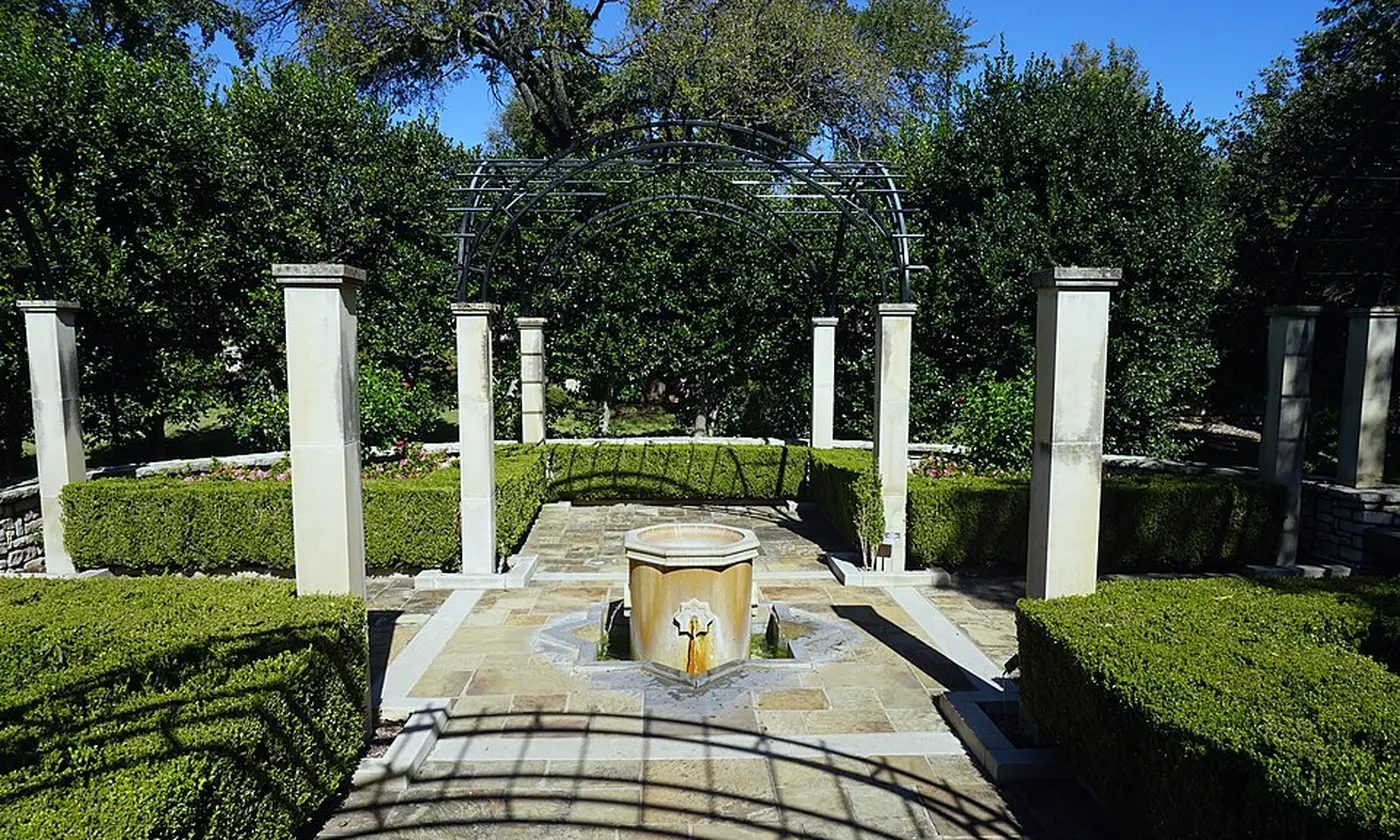
How a return gets built when the year was a close
Read How a return gets built when the year was a close
We start from the closed months, not from a folder of unmarked statements. Income that was categorized the same way all year does not have to be reinvented. Loans that were reconciled do not have to be guessed from a year end balance. The questions that were written down in June are either answered or still listed.
The Botanic Garden has been in the Cultural District since 1934, the oldest major garden of its kind in Texas, and a cool morning on those paths is a pleasure anyone in the city can recognize. A garden that old still has a gift shop and a season. The return for a shop like that should be able to point at each month and say who closed it.
What a shoebox return costs you in attention
Read What a shoebox return costs you in attention
The cost we care about is not a fee table. It is the week you spend hunting for a deposit's story. When the month was named, the story was written while you remembered it. In March of the next year, you are remembering a feeling, not a fact.
Missed forms are the other leak. An interest statement, a payment to a contractor, a piece of equipment. The monthly pack is where those surface. The return should not be the first time anyone sees them.
After the return is filed
Read After the return is filed
The name does not retire when the return goes in. July is the test, and the next January should not feel like a new hire. Account names do not get renamed every January, so this year can sit beside last year.
If something in the filed return looks wrong later, we would rather trace it to a month than to a memory. The month is the record. The return is the summary.
The July question
Read The July question
A return built in the spring should still have someone to call in July. Ask who that is.
Where the hours actually go
Read Where the hours actually go
The expensive part of a return is not a fee table. It is the week you spend hunting for a deposit's story. When the month was named, the story was written while you remembered it. In March of the next year you are remembering a feeling, not a fact. We start from the closed months so income does not have to be reinvented and loans do not have to be guessed from a year end balance.
Missed forms are the other leak. An interest statement, a payment to a contractor, a piece of equipment bought in June. The monthly pack is where those surface. The return should not be the first time anyone sees them. If they do surface only at filing, the year was never closed. It was stored.
After the return goes in, the name does not retire. Account names do not get renamed every January, so this year can sit beside last year. If something in the filed return looks wrong later, we would rather trace it to a month than to a memory. The month is the record. The return is the summary.
A garden that has been open since 1934 still has a gift shop and a season, and the return for a shop like that should be able to point at each month. A cool morning on those paths is easy to love and still not the file. The paths are not the file. The named months are. That is what we mean when we say the return follows the year instead of replacing it.
The week after filing
Read The week after filing
The chart stays put. July is already on the calendar as a normal close, not as a restart with a new person. If a number in the filed return needs a second look, we trace it to the month it came from. That trace is only possible when the months were named while they happened. Otherwise the trace ends in a feeling, and a feeling does not amend anything.
Which month is still unnamed

You will be talking to the Steven Palmieri practice.